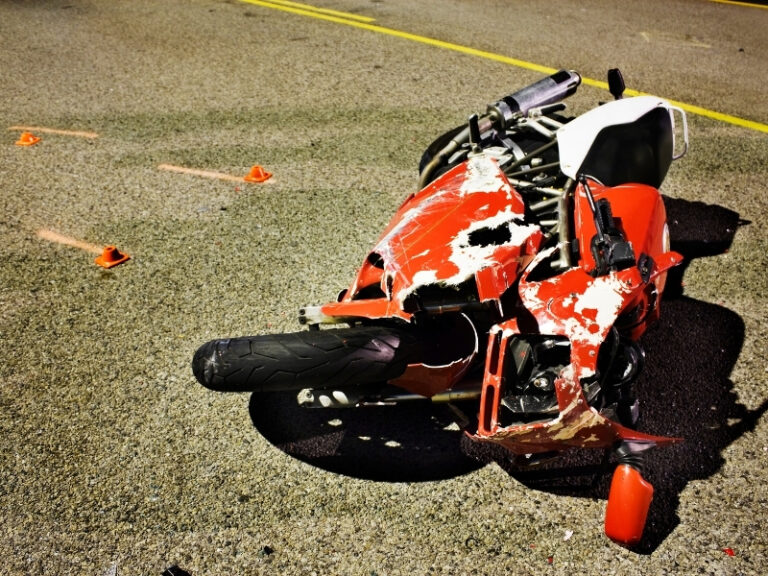

If you are involved in a collision, understanding Missouri motorcycle helmet laws is critical because your choice of headgear can directly impact your financial recovery. Even if another driver caused your crash, insurance companies will actively attempt to reduce your settlement if you were riding without a helmet. By understanding how the state evaluates shared blame, you can better protect your rights and maximize your final compensation.
The rules surrounding motorcycle gear have evolved significantly in recent years, leaving many riders confused about their legal obligations. Navigating the aftermath of a severe crash requires a clear understanding of exactly what the law expects from you on the road. Knowing the statutes that govern these incidents will help you build a stronger case against negligent drivers.
Securing proper legal representation is the most effective way to shield yourself from aggressive insurance tactics. Our team is dedicated to helping victims understand the complex intersection of state traffic laws and personal injury claims. We fight relentlessly to ensure that negligent motorists are held fully accountable for the devastation they cause.
Understanding Missouri motorcycle helmet laws and Current Rules
Before 2020, the state enforced a universal mandate requiring every rider and passenger to wear head protection at all times. Today, the motorcycle helmet mandate dictates that only riders under the age of 26, or those operating with a learner’s permit, are strictly required to wear helmets. These legally mandated helmets must meet specific safety standards, typically weigh roughly three pounds, and feature a sturdy chin strap.
For older, more experienced riders, the state offers a conditional path to riding without head protection. Under the health insurance exemption, riders who are 26 years of age or older may legally operate a motorcycle without a helmet. To qualify for this exemption, you must carry a valid health insurance policy that provides medical coverage for injuries sustained in a potential crash.
Law enforcement officers cannot pull you over exclusively to check your compliance with these gear regulations. Failing to wear head protection is treated strictly as a secondary offense on state highways. An officer must first observe another primary traffic violation, such as speeding or running a red light, before initiating a traffic stop and checking your compliance.
The Role of Shared Blame in Your Financial Recovery
If you are injured by a negligent driver while riding helmetless, the opposing insurance company will inevitably try to shift the blame onto you. This tactic relies heavily on the concept of Comparative fault Missouri, which is the legal standard used to divide responsibility after an accident. Defense adjusters will vigorously argue that your lack of head protection directly worsened your injuries, thereby making you partially responsible for your own medical bills.
Fortunately, state law ensures that being partially to blame does not completely destroy your personal injury case. The state operates under a pure comparative fault system, which allows an injured plaintiff to recover financial compensation even if they share the majority of the blame. Under this rule, your final financial award is simply reduced by the specific percentage of fault assigned to your actions.
For example, if a jury determines that your failure to wear a helmet made you 20% responsible for your traumatic brain injury, your compensation is reduced by that exact amount. You would still be eligible to recover the remaining 80% of your total awarded damages directly from the at-fault driver. This system ensures that negligent motorists are still held accountable for the collisions they cause regardless of your gear choices.
Seeking Maximum head injury compensation After a Crash
Motorcycle collisions frequently result in catastrophic trauma, especially when a rider is thrown from their bike at high speeds. Securing adequate head injury compensation is vital to cover the astronomical costs of emergency surgeries, cognitive rehabilitation, and long-term care. If you were legally riding without a helmet under the statutory exemption, we can aggressively push back against insurers trying to unfairly reduce your payout.
Proving the actual extent of your damages requires comprehensive medical documentation and compelling expert testimony. We work closely with medical professionals to establish exactly how the at-fault driver’s negligence altered your daily life. This meticulous approach prevents insurance adjusters from using your legal choice to ride helmetless as a scapegoat to deny your rightful compensation.
Calculating the total value of your losses involves looking at both your immediate medical needs and your future financial stability. Damages can include past medical bills, projected future treatments, lost earning capacity, and profound pain and suffering. By thoroughly evaluating every aspect of your trauma, we ensure no money is left on the table during critical settlement negotiations.
Important Deadlines for Filing Your Legal Claim
No matter how severe your injuries are, the state enforces strict time limits on your ability to take legal action. According to the state’s five-year statute of limitations, victims generally have five years from the exact date of the crash to formally file a lawsuit. If you miss this critical window, the court will permanently bar you from recovering any financial damages.
Tragically, many highway collisions result in fatal injuries to the rider, abruptly changing the lives of their surviving family members. In these devastating situations, families are governed by a different timeline under the state’s wrongful death statute. Families have exactly three years from the date of their loved one’s passing to pursue justice and secure vital financial support.
Because investigating a complex crash takes significant time, it is always best to begin the legal process as soon as possible. Critical evidence like traffic camera footage, skid marks, and witness memories can fade or disappear entirely within a matter of weeks. Taking swift action allows your legal team to preserve this evidence and build an unshakeable case against the responsible party.
Steps to Protect Your Rights After a Highway Collision
The moments immediately following a crash are chaotic, but the actions you take can make or break your future legal case. You must prioritize your physical safety while simultaneously protecting your right to seek financial recovery. Following a clear, systematic approach prevents insurance companies from exploiting innocent mistakes later on.
To safeguard your future motorcycle accident claim, you should take specific steps immediately after the dust settles. Gathering the right information at the scene ensures your legal team has the foundation needed to prove liability.
- Call 911 immediately to request emergency medical personnel and a formal police response.
- Take wide-angle and close-up photographs of the vehicle damage, road conditions, and your visible injuries.
- Collect the names, phone numbers, and insurance information of all drivers and eyewitnesses at the scene.
- Seek a comprehensive medical evaluation at an emergency room, even if you feel completely fine.
- Never admit fault, apologize, or discuss your helmet usage with the other driver or their insurance adjuster.
After you have secured your medical safety, the most crucial next step is to shield yourself from aggressive insurance adjusters. They will often call within hours of the crash, hoping to record a statement that can be used against you. Directing all communication to your legal representation ensures your rights remain completely protected throughout the investigation.
At a Glance: Missouri Motorcycle Helmet Laws
Understanding the nuances of the state’s legal system can feel overwhelming when you are actively trying to heal from severe physical trauma. We believe that informed clients make the best decisions for their physical health and their long-term legal strategies. To help you digest this complex information, we have compiled the most critical points regarding your legal rights on the road.
Review this brief summary to understand how your choices and the state’s rules intersect during a personal injury case. Keeping these facts in mind will help you navigate the claims process with greater confidence.
- Understanding Missouri motorcycle helmet laws and Current Rules: Riders under 26 and permit holders must wear helmets, while those 26 and older with qualifying health insurance are exempt.
- The Role of Shared Blame in Your Financial Recovery: The state uses a pure comparative fault system, meaning you can still recover compensation even if your failure to wear a helmet makes you partially responsible.
- Seeking Maximum Head Injury Compensation After a Crash: Comprehensive medical evidence is essential to prevent insurers from unfairly using your legal right to ride helmetless to deny payouts.
- Important Deadlines for Filing Your Legal Claim: Victims generally have five years to file an injury lawsuit, but families only have three years to pursue a wrongful death claim after a fatal crash.
- Steps to Protect Your Rights After a Highway Collision: Always document the scene, seek immediate medical care, and refuse to give recorded statements to opposing insurance companies.
If you or a loved one were injured in a Kansas City motorcycle accident, you don’t have to navigate the legal system alone. Contact the personal injury team at Aramjoo Law Firm today at 816-608-7963 or Contact Us for a free, no-obligation consultation.