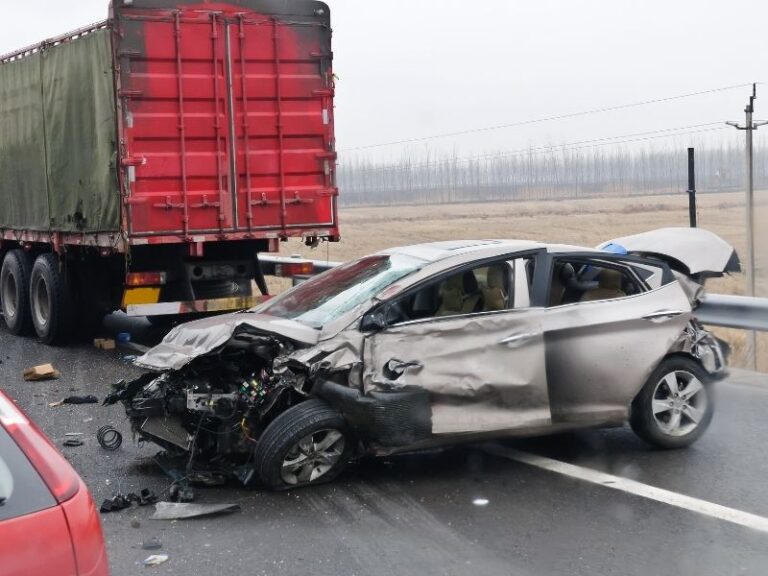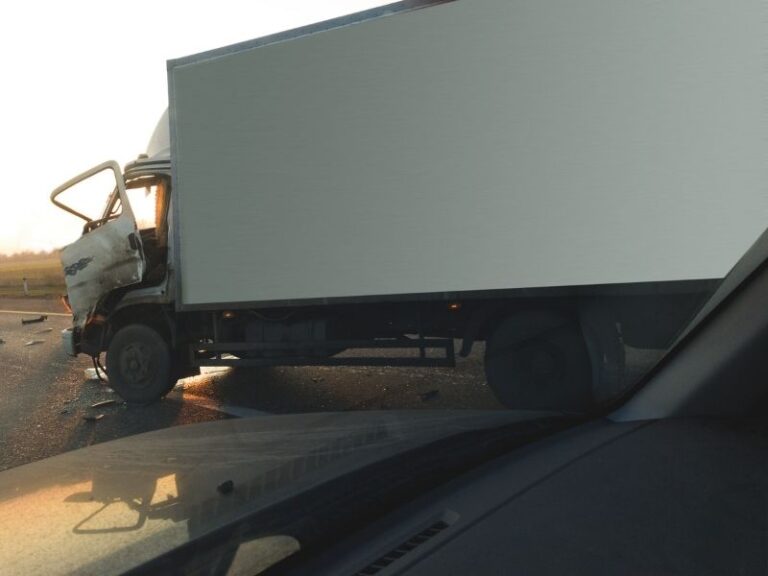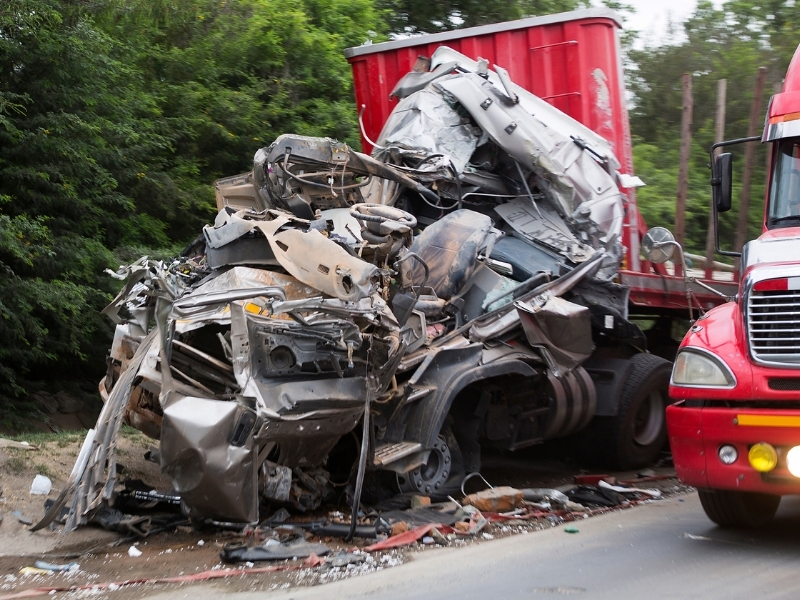

When an eighteen-wheeler violently loses control and blocks multiple lanes of a Kansas City highway, proving liability jackknife truck accidents generally requires a thorough examination of electronic data and company safety records. We uncover the hidden facts. Injured individuals who take immediate action to preserve these technical details stand a much stronger chance of recovering the financial compensation they deserve.
At Aramjoo Law Firm, our team serves as an approachable, supportive guide for local families navigatingtrying to manage the overwhelming aftermath of a catastrophic commercial vehicle collision. You are not alone. Our dedicated legal professionals focus on carefully gathering the necessary evidence so that insurance adjusters treat your physical recovery and future financial needs with professional respect.
How Does Event Data Recorder EDR Evidence Uncover the Truth?
After a massive semi-truck folds in on itself along a major interstate, investigators frequently rely on the vehicle’s black box to reconstruct the terrifying moments before impact. The digital data reveals everything. By securing this Event Data Recorder EDR evidence, victims can clearly demonstrate whether the driver slammed on the brakes too late or engaged in reckless steering maneuvers.
Trucking companies often dispatch rapid response teams to the crash site to control the narrative and protect their corporate interests from potential lawsuits. These corporate teams act quickly. Because of this, establishing commercial truck crash liability requires injured parties to send formal preservation letters that legally prevent the destruction of this essential electronic information.
What specific metrics do these data recorders capture?
Event Data Recorders in commercial trucks capture precise metrics including vehicle speed, brake application, engine RPM, and steering angles in the seconds surrounding a crash. This objective digital data allows investigators to reconstruct the driver’s actions and determine if mechanical failures or human errors directly caused the jackknife collision.
Securing this digital information promptly prevents corporate entities from erasing essential details that establish fault and validate your personal injury claim. You must act fast. Because these systems often overwrite data after a certain number of ignition cycles, any delay in sending a legal hold could result in the permanent loss of your most compelling evidence.
Why Are Federal Braking Standards Essential for Establishing Fault?
When a heavy commercial truck fails to stop in time and causes a multi-vehicle pileup, investigating the mechanical integrity of the tractor-trailer’s air brakes becomes an absolute necessity. Poor maintenance causes devastating crashes. If the trucking company ignored Federal braking standards, their failure to properly maintain the equipment directly shifts the financial responsibility onto their shoulders.
Under the highest degree of care mandated by Missouri law, commercial operators must ensure their massive vehicles are safe to operate on public roads alongside passenger cars. Negligence directly leads to disaster. By proving that the carrier skipped routine inspections or used worn brake pads, injured victims can hold the negligent parties fully accountable for the resulting trauma.
How do failing brakes specifically cause a truck to jackknife?
Failing brakes cause a jackknife when the trailer’s wheels lock up while the tractor cab continues to move forward, leading the trailer to swing outward. This loss of lateral stability often results from uneven brake pressure, worn components, or a total mechanical failure that prevents the articulated vehicle from stopping in a straight line.
This dangerous sweeping motion blocks multiple lanes of traffic and creates devastating collisions that cause severe physical trauma for surrounding motorists. Many victims are caught off guard. On top of that, the suddenness of a jackknife often leaves other drivers with zero time to react, leading to high-speed impacts that result in permanent injuries.
How Do Weather Conditions Affect Commercial Truck Liability?
Severe weather events like sudden ice storms or heavy downpours across the Midwest dramatically increase the likelihood of a massive tractor-trailer losing traction and folding across the highway. Rain is no valid excuse. Commercial drivers are legally required to reduce their speed and exercise extreme caution when adverse weather conditions compromise the overall safety of the roadway.
Trucking companies often try to blame Mother Naturemother nature for the crash, but professional operators must possess the skills to safely drive or pull over during dangerous weather systems. They must act highly responsibly. Proving that the driver maintained highway speeds during a blizzard allows injured victims to overcome these common insurance defenses and secure proper compensation.
Are truck drivers at fault if ice caused the jackknife?
Truck drivers are generally at fault for ice-related jackknifes if they failed to adjust their speed or pull over when conditions became too hazardous for safe travel. Professional commercial operators are trained to recognize traction loss and have a legal duty to exercise extreme caution during Midwest winter weather events.
The truth is that most weather-related truck accidents are actually the result of a driver choosing to prioritize a delivery schedule over public safety. This is unacceptable. Because of this, our legal team can focusfocuses on proving that the driver ignored weather warnings and maintained unsafe speeds that made a jackknife inevitable on slick pavement.
What Role Does Improper Cargo Loading Play in These Collisions?
Beyond mechanical failures and driver errors, the way a massive trailer is loaded heavily influences the vehicle’s center of gravity and overall stability on the highway. Unbalanced cargo creates severe danger. If third-party loaders pack the freight unevenly or fail to secure heavy pallets, the shifting weight can easily force the truck to fold during a sudden stop.
Discovering exactly who loaded the trailer is a highly important step in the investigative process because multiple corporate entities might share the blame for your injuries. We find the responsible parties. Gathering accurate highway collision evidence allows investigators to determine if a separate shipping company should be included in your claim alongside the truck driver.
Who is legally responsible if shifting cargo causes an accident?
Legal responsibility for shifting cargo typically falls on the shipping company or third-party loaders who failed to properly secure the freight according to safety regulations. If an imbalanced load causes a tractor-trailer to lose control and jackknife, these entities can be held liable for resulting damages and physical injuries.
Establishing this shared blame allows injured victims to seek compensation from multiple corporate insurance policies to fully cover their extensive medical bills and lost wages. This provides a safety net. Even worse, some trucking companies knowingly allow overloaded trailers to enter the highway to save on fuel costs, showing a total disregard for the safety of local families.
How Do Missouri Comparative Fault Rules Impact Trucking Claims?
Insurance adjusters frequently attempt to minimize their financial payouts by unfairly undervaluing your claim and arguing that you contributed to the highway collision. They quickly shift the blame. Fortunately, Missouri operates under a pure comparative fault system, meaning you can generally still recover financial compensation even if you are partially blamed for the crash.
Under this specific legal framework, a judge or jury simply reduces your final financial award by the exact percentage of fault assigned to your actions. Your legal rights remain protected. For example, if you were speeding slightly but the truck driver made an illegal maneuver, you still maintain the ability to pursue meaningful financial recovery.
Can I recover damages if I was partially at fault?
Under Missouri’s pure comparative fault rule, you can recover damages even if you are partially at fault, though your total compensation will be reduced by your fault percentage. This ensures that negligent trucking companies cannot escape their financial responsibilities simply because a victim made a minor error during the unfolding highway collision.
This system is designed to be fair. Even if an adjuster claims you were 25% responsible for the accident, you can still secure the other 75% of your total damages to pay for your recovery. Because of this, you should never let an insurance company’s accusations of fault discourage you from pursuing the justice and compensation you deserve.
At a Glance: Jackknife Truck Accident Claims
Reviewing the technical details of a commercial trucking collision can feel incredibly overwhelming when you are simultaneously trying to manage doctors’ appointments and physical pain. We simplify the complex process. Here are the core concepts you should remember as you begin to build a strong foundation for your personal injury claim:
- Securing Event Data Recorder EDR evidence quickly prevents trucking companies from destroying the digital data that proves driver negligence.
- Carriers who ignore Federal braking standards can be held financially responsible for failing to maintain their commercial vehicles.
- Professional drivers must reduce their speed during ice or rain to maintain traction and prevent dangerous trailer swings.
- Improperly secured cargo creates weight imbalances that can pull a massive trailer out of alignment and cause a devastating jackknife.
- Missouri’s comparative fault laws generally allow you to recover financial compensation even if adjusters argue you shared some blame for the crash.
Seeking Justice After a Kansas City Metro Truck Crash
Moving forward after a catastrophic highway collision requires a clear understanding of your legal rights and a steadfast commitment to uncovering the technical truth. You deserve a dedicated advocate. By carefully analyzing the mechanical data and holding negligent corporations accountable, injured individuals can secure the financial resources needed to rebuild their lives.
If you or a loved one were injured in a Kansas City jackknife truck accident, you don’t have to navigate the legal system alone. We always protect your rights. Contact the personal injury team at Aramjoo Law Firm today at (816)326-2968 or visit our contact page for a free, no-obligation consultation.
Common Questions About Missouri Jackknife Truck Accident Claims
How long do I generally have to file a truck accident lawsuit in Missouri?
Under Missouri law, you generally have five years from the date of your injury to file a standard personal injury claim. Taking proactive steps to consult with a professional well before this deadline ensures that critical mechanical evidence and witness testimonies are properly preserved for your case.
Can I file a claim against the trucking company instead of just the driver?
Yes, you can generally hold the parent trucking company directly responsible for the actions of their employed drivers under the legal concept of vicarious liability. If the company enforced unrealistic delivery schedules or failed to properly maintain the vehicle, they share the financial burden for your resulting injuries.
What should I do immediately following a collision with a commercial vehicle?
You should immediately seek emergency medical attention to address your physical injuries and ensure an official police report is filed at the scene. After securing your safety, contacting a professional to send evidence preservation letters prevents the trucking company from destroying critical dashcam footage and electronic data.
What happens if the driver was operating under the influence?
If a commercial driver causes a crash while operating under the influence of drugs or alcohol, both the driver and the trucking company can face severe liability. Injured victims can generally pursue punitive damages in these specific cases to punish the egregiously reckless behavior and deter future safety violations.