
Handing your teen the car keys is a major milestone—and a nerve-wracking one. Motor vehicle crashes remain one of the leading causes of death for teenagers in the United States, and newly licensed drivers face significantly higher risks than experienced adults. According to the Centers for Disease Control and Prevention (CDC), teen drivers are nearly three times more likely than drivers aged 20 and older to be involved in a fatal crash per mile driven (CDC).
The good news is that most teen crashes are preventable. Education, clear rules, and consistent reinforcement of safe driving habits can dramatically reduce the risk. Below are the most important things every teen driver should know to help prevent a serious car accident.
1. Inexperience Is the Biggest Risk Factor
The single greatest danger for teen drivers is lack of experience. New drivers are still learning how to judge speed, recognize hazards, and react quickly to unexpected situations. The Insurance Institute for Highway Safety (IIHS) notes that crash rates are highest during the first months of independent driving and decline as experience increases (IIHS).
What teens should know:
- Confidence behind the wheel should grow slowly.
- Defensive driving, anticipating mistakes by others, is essential.
- Asking for more supervised practice is a strength, not a weakness.
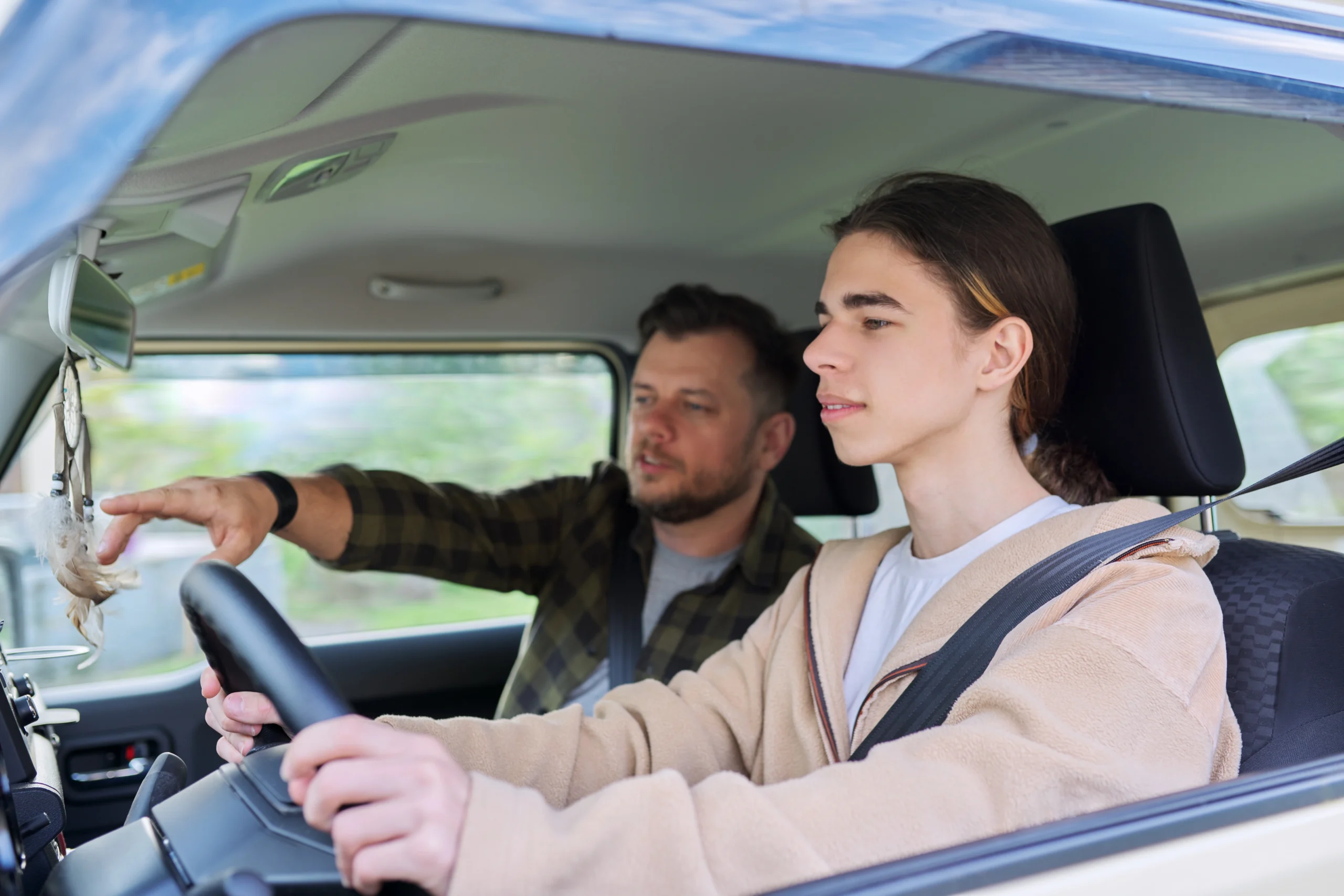
Parents can help by gradually increasing driving privileges and continuing to practice challenging scenarios like highway driving, night driving, and bad weather.
2. Speeding Is Especially Dangerous for Teens
Speeding plays a major role in teen crashes. The National Highway Traffic Safety Administration (NHTSA) reports that speeding was a factor in nearly one-third of fatal crashes involving teen drivers (NHTSA).
Teens often underestimate how much speed affects stopping distance and crash severity. Even driving just 10 mph over the limit can turn a minor mistake into a life-altering collision.
Key reminders for teen drivers:
- Speed limits are set for ideal conditions, not rain, traffic, or darkness.
- Slowing down gives you more time to react.
- Arriving a few minutes late is always better than not arriving at all.
3. Distracted Driving Can Be Deadly
Distracted driving is more than just a bad habit; it’s a leading cause of wrongful death and serious injury. Whether it’s texting while driving, using social media apps, or adjusting the GPS, taking your eyes off the road for even five seconds is like driving the length of a football field blindfolded (NHTSA).
Teen drivers are particularly vulnerable to digital distractions because of constant phone use and social pressure to respond immediately.
Teens should commit to:
- Putting phones on “Do Not Disturb” mode while driving.
- Using navigation and music settings before the car moves.
- Never texting, snapping, or scrolling behind the wheel.
Many states have strict laws banning handheld phone use by drivers, and violations can lead to fines, license suspension, or worse if a crash occurs.
4. Passengers Increase Crash Risk
While driving with friends may seem harmless, studies show that teen drivers are more likely to crash when other teens are in the car. The risk increases with each additional passenger due to distraction, peer pressure, and noise (CDC).
What teens need to understand:
- Friends can unintentionally distract you.
- Showing off or taking risks to impress passengers can be fatal.
- It’s okay and necessary to set boundaries in your own car.
Graduated Driver Licensing (GDL) laws in many states limit the number of passengers teen drivers can have during their first months of driving for this very reason.
5. Night Driving Requires Extra Caution
Driving at night is significantly more dangerous for teens. Reduced visibility, fatigue, and a higher likelihood of impaired drivers on the road all contribute to increased crash rates after dark (IIHS).
Safety tips for teen drivers at night:
- Slow down and increase following distance.
- Watch carefully for pedestrians and cyclists.
- Avoid late-night driving whenever possible, especially on weekends.
Parents can set clear curfews and limit nighttime driving until their teen gains more experience.
6. Seat Belts Save Lives
Seat belt use is one of the simplest and most effective ways to prevent serious injury or death in a crash. Yet teens have some of the lowest seat belt usage rates of any age group. The CDC reports that about half of teens who died in car crashes were not wearing seat belts (CDC).
Non-negotiable rule for teens: Buckle up every trip, every seat, every time.
7. The Dangers of Drunk Driving and Zero-Tolerance Laws
Alcohol and drugs severely impair judgment, reaction time, and coordination. Even small amounts can be dangerous for inexperienced drivers. Teen drivers are also subject to zero-tolerance laws in most states, meaning any measurable alcohol can result in arrest and license suspension (NHTSA).
Teens should always have a plan for a safe ride and know they can call a trusted adult without fear of punishment if they are in an unsafe situation.
8. Weather and Road Conditions Matter
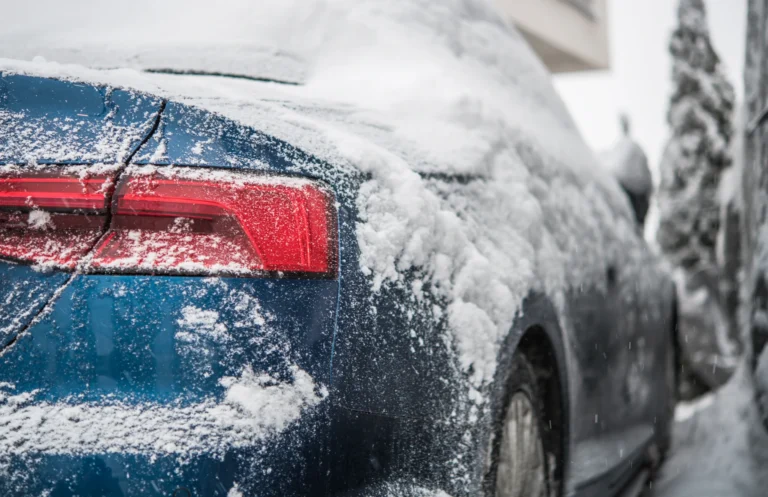
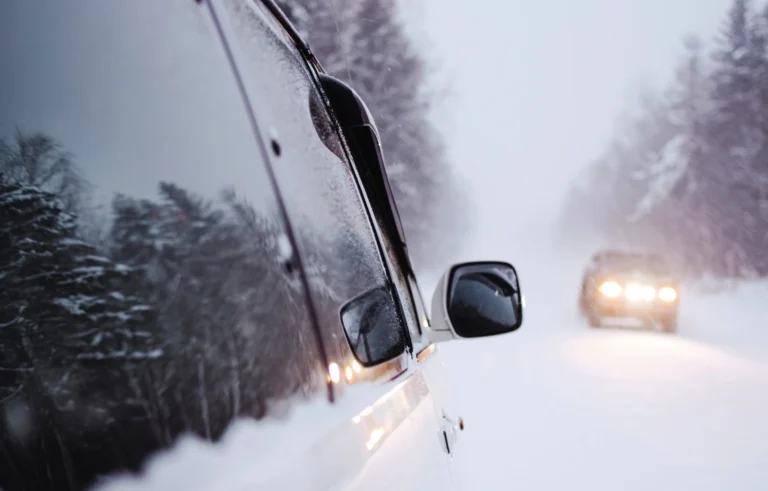
Rain, fog, snow, and ice significantly increase crash risk especially for new drivers. Teens should learn that slowing down, increasing following distance, and knowing when not to drive are critical safety skills.
Important lessons:
- Bald tires and worn brakes make bad weather more dangerous.
- Hydroplaning can happen at surprisingly low speeds.
- If conditions feel unsafe, it’s okay to delay or cancel a trip.
Quick Safety Checklist for Teens:
1. Buckle Up: Always wear a seatbelt.
2. Put the Phone Away:
a. Use “Do Not Disturb” mode.
b. Limit Passengers: Fewer friends = fewer distractions.
Slow Down: Observe speed limits, especially in bad weather.Helping Teens Build Lifelong Safe Driving Habits
Preventing teen car crashes isn’t about fear, it’s about preparation. Parents who model safe driving behavior, set clear expectations, and stay involved even after licensure can dramatically reduce their teen’s risk of injury or death.
While we hope these tips keep your family safe, accidents can still happen. If your teen has been involved in a collision, understanding your legal rights for a personal injury claim is critical. An experienced car accident attorney can help protect your family’s interests and handle insurance negotiations. Contact our law firm today for a free case evaluation to learn how we can help you