
Winter in Kansas City, Missouri can feel like a coin flip: one day it’s 45°F and wet, the next it’s 18°F with blowing snow and slick bridges. Whether you’re looking for winter car prep in North Kansas City or navigating icy roads in Liberty and Gladstone, local conditions demand specific maintenance.
That’s because winter weather doesn’t just change the road surface. It changes the chemistry in your battery, the pressure in your tires, the viscosity of your fluids, and the efficiency of your powertrain. Below is a practical, vehicle-by-vehicle breakdown of what winter does, and how to stay ahead of it.
1)Why is my tire pressure light on in the cold?
No matter what you drive, winter driving risk rises when traction drops. NHTSA’s winter guidance focuses heavily on vehicle prep—especially tires—and planning for conditions before you go.
One of the biggest “silent” changes is tire pressure. As temperatures fall, the air inside your tires contracts. A common rule of thumb is a ~1–2 PSI drop for every 10°F decrease. That sounds minor, but in a Kansas City cold snap (say 60°F down to 20°F), you can easily lose several PSI—enough to reduce grip and increase wear.
What to do:
- Check tire pressure when tires are “cold” and inflate to the door-jamb spec (not the sidewall max).
- Keep tread in good shape and consider winter tires if you regularly drive during storms. (Tire design matters most when roads are snow-covered or icy.)
2) Gasoline Cars (sedans, crossovers): Lower MPG, slower warm-ups
Cold weather makes engines work harder and run less efficiently until they warm up. On top of that, winter air is denser, and rolling resistance can increase on cold pavement.
DOE’s FuelEconomy.gov reports that, in city driving, a conventional gasoline vehicle’s mpg is roughly ~15% lower at 20°F than at 77°F, and can drop as much as ~24% on short trips (3–4 miles). In a metro area where many trips are short—school drop-offs or quick runs to the grocery store—those losses are very real.
What to do (gas cars):
- Combine short trips when possible; frequent cold starts are a fuel-economy killer.
- Make sure coolant/antifreeze and wiper systems are ready for freezing temps. MoDOT specifically recommends winterizing with fresh antifreeze and checking wipers/fluids.
3) Hybrid Vehicles: Winter MPG drops can be bigger than you expect
Hybrids are efficient, but cold weather hits them in two places: the gasoline engine still needs warm-up time, and the battery system is less efficient in the cold.
FuelEconomy.gov notes hybrids can see fuel economy drops around 30–34% under cold conditions, similar to the 20°F vs. 77°F comparison (and can be worse on very short trips).
What to do (hybrids):
- Don’t judge winter MPG based on a week of short trips.
- Park in a garage when possible to reduce overnight cold soak (helps engine warm-up and battery performance).
4) How much range do EVs lose in Missouri winters?
Electric vehicles usually handle traction and stability well (many have strong traction control), but cold weather is tough on battery chemistry and cabin heating demand.
FuelEconomy.gov reports EV “fuel economy” can drop roughly ~39% in mixed driving, and range can drop ~41% in cold conditions—largely because heating the cabin uses a lot of energy (they estimate about two-thirds of the extra energy draw goes to cabin heat).
More technical research from NREL also emphasizes that EVs can function in extreme cold, but efficiency is significantly affected, and charging behavior/infrastructure can become more important in very low temperatures.
What to do (EVs):
- Precondition (warm) the cabin while plugged in when you can.
- Expect fewer miles between charges during cold spells around Kansas City.
- If you’re doing longer highway runs (e.g., KC to outlying areas), add a buffer to your plan for headwinds and heat use.
5) How to prevent diesel fuel gelling in Kansas City.
Diesel adds a winter-specific problem: wax crystals in diesel fuel can form as temperatures drop, restricting flow through fuel filters and potentially preventing starts or stalling.
An Auto Care Association fleet maintenance bulletin explains cloud point as the temperature at which wax crystals begin to form and can coat filters, reducing fuel flow. Industry technical references also use cold filter plugging point (CFPP) as a key measure for low-temperature operability, tied to standardized test methods (ASTM D6371).
What to do (diesel):
- Use season-appropriate winter-blend diesel in cold months.
- Maintain fuel filters and consider block heaters when temps plunge.
- Treat storage tanks seriously if you manage fleet or equipment—winter operability depends on fuel quality and temperature.
6) Motorcycles: Cold Tires + Cold Reflexes = Big Risk
Motorcycles are uniquely exposed to winter because:
- You have less tire contact patch than cars/trucks.
- Tire rubber can stiffen in cold temperatures, reducing grip.
- Riders face wind chill and slower reaction times.
Practical safety guidance for riding in cold weather emphasizes that cold affects tire traction and overall safety decisions (including whether to ride at all in icy conditions).
What to do (motorcycles):
- Treat near-freezing temps and wet roads as “high alert.”
- Build in extra warm-up time for tires and brakes, and avoid shaded/bridge sections that ice first.
- Consider not riding when the Kansas City area roads are actively icy or being treated.
7) The Kansas City metro reality: roads, timing, and local resources matter
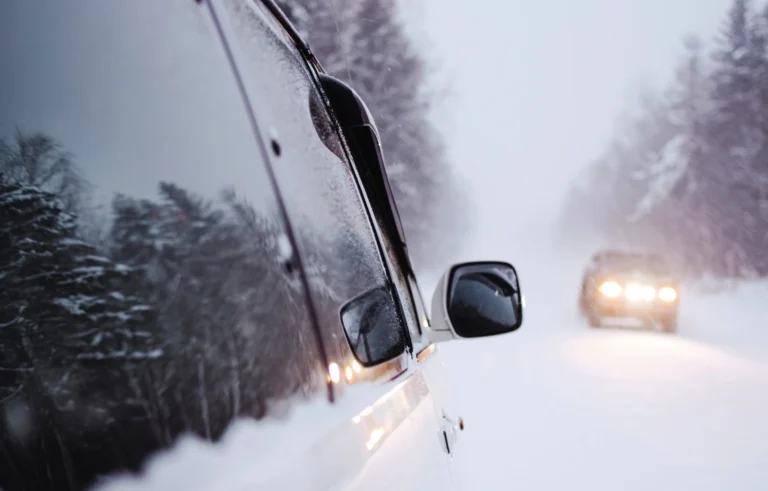
Winter isn’t just about vehicle type—it’s about when you drive and what the roads are doing. MoDOT specifically advises postponing travel when possible until roads have been plowed/treated, and to give snowplows room (and not pass them). That’s especially relevant for commuters moving between North Kansas City, Gladstone, and Liberty where bridges, ramps, and elevated stretches can surprise you.
A smart winter routine for the Kansas City metro:
- Before you go: check road conditions.
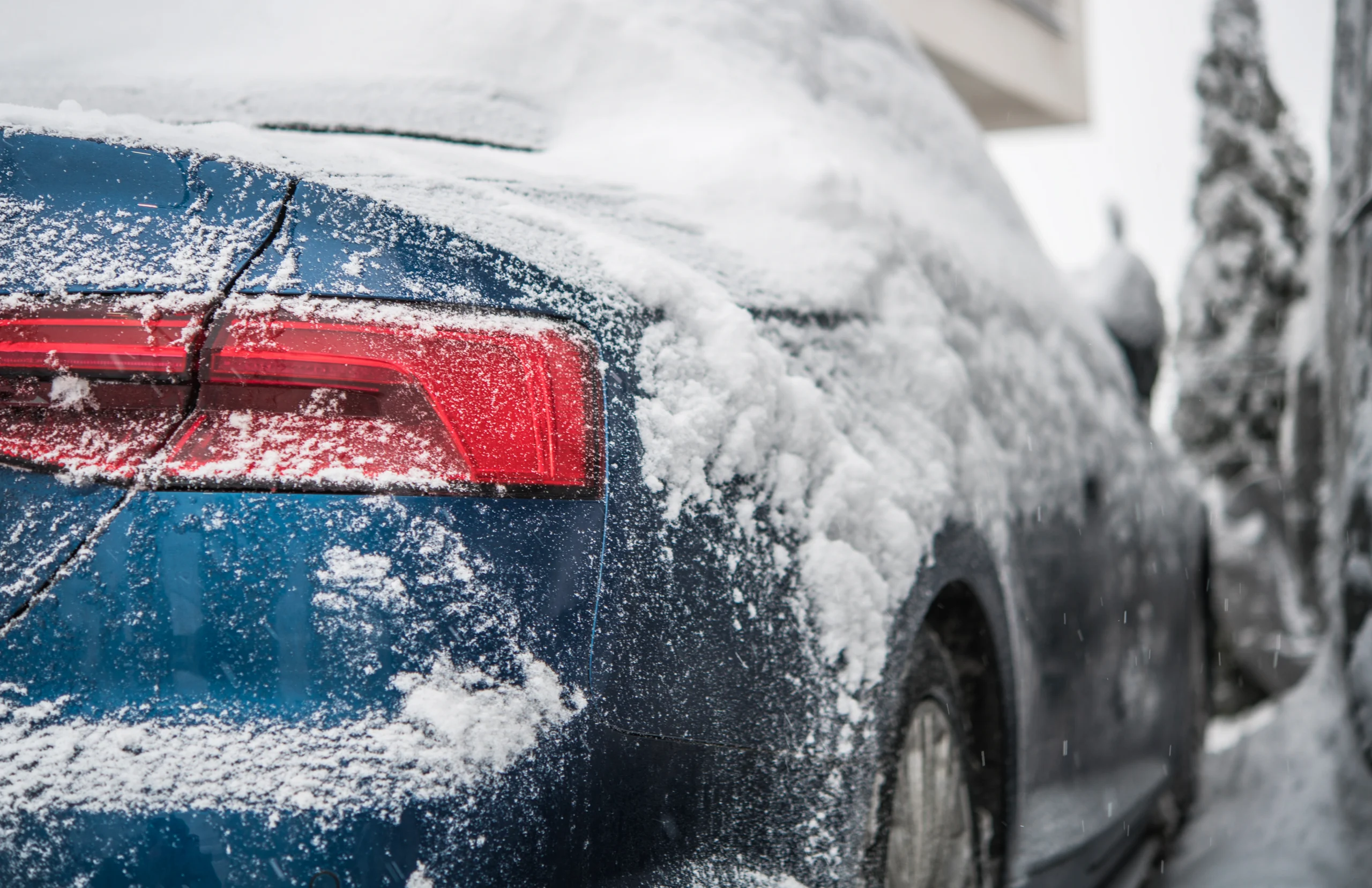
- Before you start: clear snow/ice fully (lights, hood, roof).
- Before you rely on it: confirm tires, wipers, and fluids are winter-ready
Stay Safe on Missouri Roads—But Know Your Rights
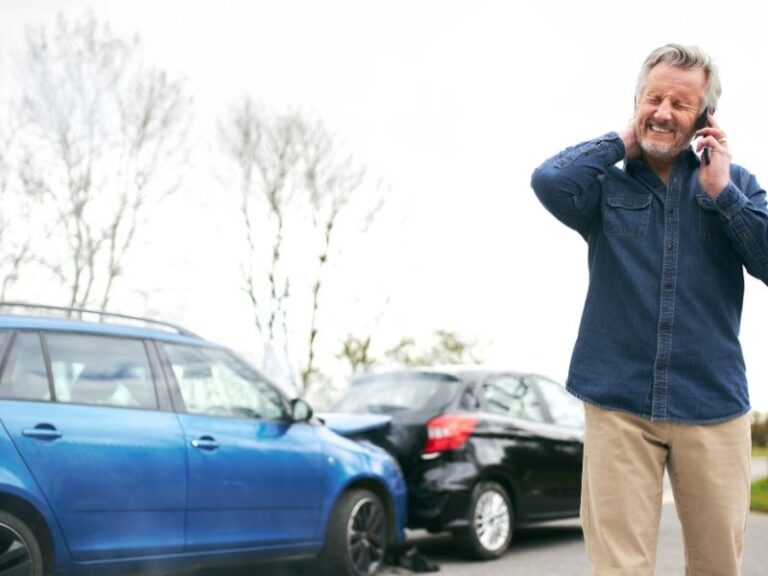
Even the best-prepared vehicle can’t always account for another driver’s negligence on icy Kansas City streets. If you’ve been injured in a winter weather collision in North Kansas City, Liberty, or Gladstone, maintenance records won’t be enough—you need an advocate.
Contact Aramjoo Law Firm today for a free consultation. Our local team understands the specific challenges of Missouri winter driving and is here to help you navigate the road to recovery.