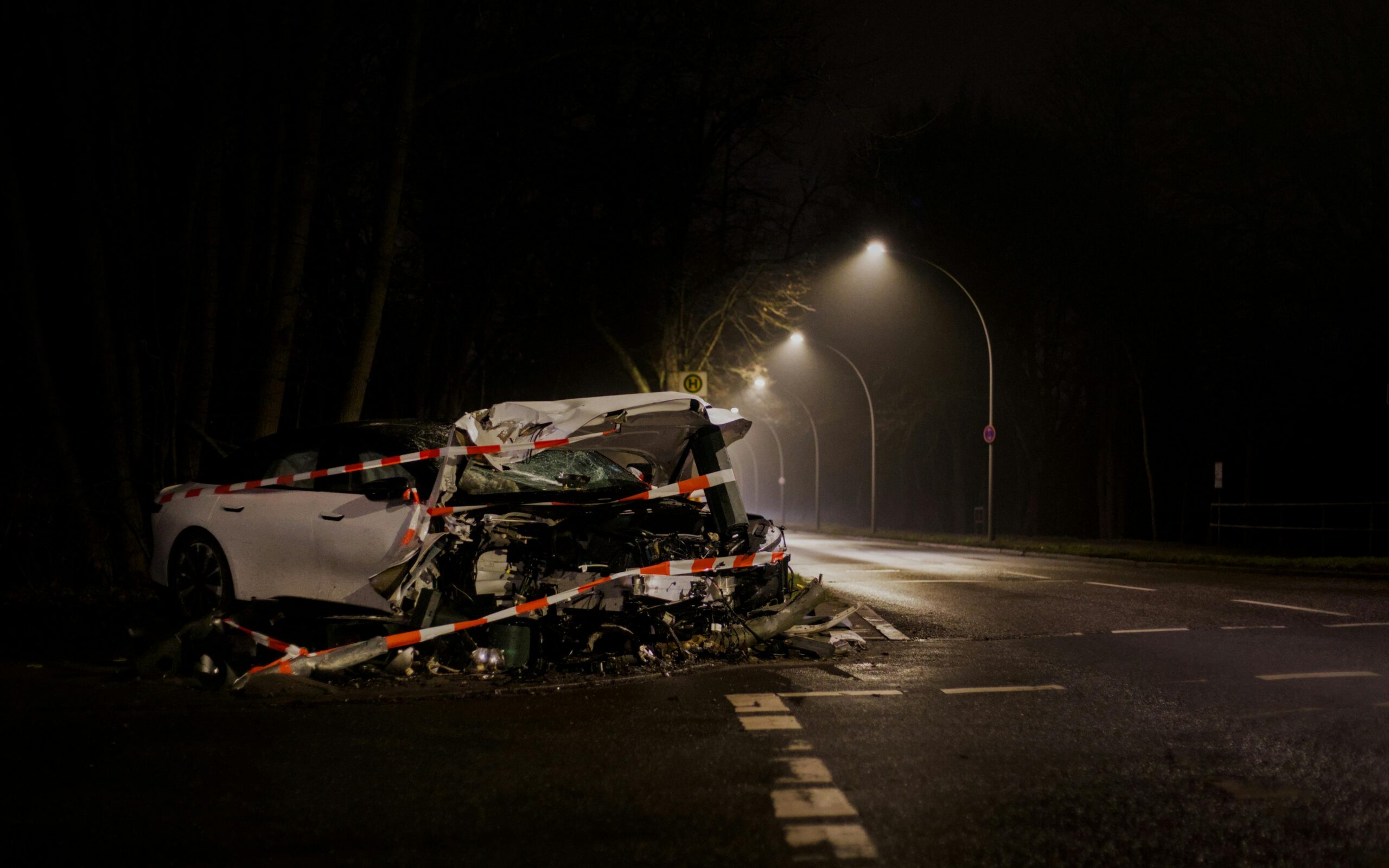

Knowing exactly what to do after a car crash on I-70 can mean the difference between a fully compensated claim and a denied payout. In the critical first 48 hours, you must prioritize moving to safety, securing a formal police report, seeking immediate medical attention, and strictly preserving accident evidence. Taking these rapid, calculated steps protects your health and ensures you have the necessary documentation to prove liability against the at-fault party.
Why Is Knowing What to Do After a Car Crash on I-70 So Important?
High-speed interstates present unique legal challenges compared to standard city street accidents. Missouri highway collisions often involve multiple vehicles, chain-reaction impacts, and large commercial trucks transporting goods across the state. These factors make determining exact fault incredibly complicated without immediate, on-scene documentation to back up your narrative.
When multiple drivers cause a pileup, liability becomes a heavily disputed issue among several different insurance companies. You might quickly find yourself fighting against corporate legal teams if a commercial trucking enterprise is involved in the wreck. This is why securing representation from an experienced I-70 accident attorney early in the process is highly recommended to protect your rights.
How Should I Prioritize Preserving Accident Evidence at the Scene?
If you are physically able to do so safely, your immediate actions at the crash site are foundational to your future case. Properly preserving accident evidence prevents at-fault drivers from changing their stories later on when speaking to their insurance adjusters. Follow these specific steps to protect your legal rights before leaving the highway:
- Call 911 immediately to ensure law enforcement arrives to draft an official, objective accident report.
- Take wide-angle and close-up photographs of all vehicle damage, skid marks, and relevant highway debris.
- Collect contact information from any eyewitnesses who saw the collision occur in real-time.
Do not rely entirely on the responding police officers to take perfectly detailed photos of the property damage or road conditions. Gathering this visual proof yourself ensures your Missouri car accident lawyer has everything needed to build a strong, undeniable argument. Capturing visual evidence extends beyond just taking pictures of the crushed bumpers and shattered glass on the pavement. You should also scan the immediate area for highway traffic cameras, nearby business security feeds, or witnesses with active dashcams. These video recordings provide undeniable proof of how the collision unfolded and who ultimately violated traffic laws.
Why Is Obtaining the Official Police Report Crucial?
Law enforcement officers are trained to objectively assess crash scenes and document vital information that you might easily miss in the chaos. When officers respond to an interstate collision, they generate an official report detailing the positioning of the vehicles, weather conditions, and apparent rule violations. This document serves as an objective foundation for your claim and is heavily scrutinized by all involved insurance adjusters.
You should request a copy of the official police report as soon as it becomes available from the responding agency. Reviewing the narrative ensures the officer accurately captured your exact perspective of the events leading up to the impact. If you notice any factual errors regarding the collision, your attorney can help you formally request an amendment to the record.
What Medical Steps Must I Take After an I-70 Crash?
You should never refuse a medical evaluation at the scene of a high-speed interstate collision. The sudden rush of adrenaline your body produces during a crash can easily mask the pain of severe internal injuries. Failing to seek immediate medical care can severely damage both your physical recovery timeline and your personal injury claim.
Traumatic brain injuries, such as concussions, frequently occur during high-velocity impacts but may not show immediate, visible symptoms. You might feel perfectly fine at the crash scene, only to develop severe cognitive issues or persistent headaches days later. A comprehensive medical evaluation ensures these hidden conditions are formally diagnosed and tied directly to the accident.
Insurance adjusters look closely at the timeline of your medical treatment to determine if your injuries are legitimate. If you wait days or weeks to see a doctor, the insurance company will argue that your injuries are unrelated to the highway collision. Visiting an emergency room or urgent care within the first 48 hours establishes a direct, undeniable medical link.
After your initial emergency room visit, you must strictly follow all prescribed treatment plans and attend every follow-up appointment. Skipping physical therapy sessions or ignoring specialist referrals gives the insurance company an excuse to claim you are exaggerating your injuries. Consistent medical documentation is the most effective way to prove the true severity of your physical suffering.
How Do Commercial Trucks Complicate I-70 Accident Claims?
Interstate 70 is a major commercial trucking corridor, meaning passenger vehicles constantly share the road with massive tractor-trailers. When a commercial truck causes an accident, the resulting property damage and bodily injuries are usually catastrophic. These cases are incredibly complex because multiple corporate entities might share liability for the crash.
In many commercial crashes, both the individual truck driver and the parent trucking company can be held legally responsible. If one defendant is found to be 51% or more at fault, they can sometimes be held responsible for the entire amount of the victim’s damages. Your legal team must investigate driver logs, maintenance records, and corporate hiring practices to uncover the complete truth.
Federal regulations require commercial truck drivers to strictly limit their driving hours to prevent severe fatigue on the highway. Unfortunately, many operators violate these safety rules to meet tight delivery deadlines, leading to catastrophic, high-speed collisions. Examining the driver’s electronic logging device can instantly reveal if exhaustion played a role in your specific crash.
How Does Missouri Law Handle Shared Fault in Interstate Crashes?
You may be worried about your ability to recover compensation if you believe you made a minor driving error before the impact. Fortunately, the state handles shared blame through a pure comparative fault system, which protects victims who are partially responsible. This means you are not automatically barred from seeking a financial recovery even if you share some of the blame for the wreck.
Under this legal standard, your final compensation award is simply reduced by your assigned percentage of fault. For example, if you are found to be 10% responsible for a crash, you can still recover 90% of your total assessed damages. Because insurance companies will aggressively try to shift the blame onto you, having strong legal representation defend your actions is crucial.
At a Glance: Preserving Your I-70 Crash Claim
Reviewing the core concepts of highway collision recovery can help you stay organized during a chaotic and stressful time. Here is a summary of the most critical steps to take following an interstate wreck to protect your legal rights:
- Fast Action: Securing a successful outcome requires prioritizing scene safety and immediate evidence collection.
- Complexity: Missouri highway collisions often involve multiple parties, making fault determination highly complex.
- Documentation: Properly preserving accident evidence through photos and police reports is absolutely essential for your case.
- Medical Care: Seeking immediate medical attention establishes a direct, undeniable link between the crash and your bodily injuries.
- Shared Blame: The state’s comparative fault rules allow you to seek compensation even if you are partially at fault.
- Commercial Wrecks: Accidents involving 18-wheelers introduce complex corporate liability and require incredibly thorough investigation.
How Long Do I Have to Take Legal Action in Missouri?
Waiting too long to begin the claims process can permanently destroy your chance of securing financial justice. The state strictly enforces a legal deadline known as the statute of limitations for all personal injury lawsuits. You must adhere strictly to this timeline, or the court will dismiss your case entirely, leaving you with nothing.
For most standard personal injury cases, you have exactly five years from the date the injury occurred to file your lawsuit. If the accident tragically results in a fatality, surviving family members only have three years to file a wrongful death claim. Because vital evidence disappears quickly, you should consult an attorney long before this deadline approaches.
If you or a loved one were injured in a Kansas City car accident, you don’t have to navigate the legal system alone. Contact the personal injury team at Aramjoo Law Firm today at 816-608-7963 or Contact Us for a free, no-obligation consultation.