
Understanding who pays medical bills drunk driving crash Kansas City
After a drunk driving crash in Kansas City, medical bills are paid first through your Personal Injury Protection (PIP) or MedPay coverage, followed by health insurance, before ultimate settlement reimbursement from the at-fault driver’s bodily injury liability or UM/UIM policy.
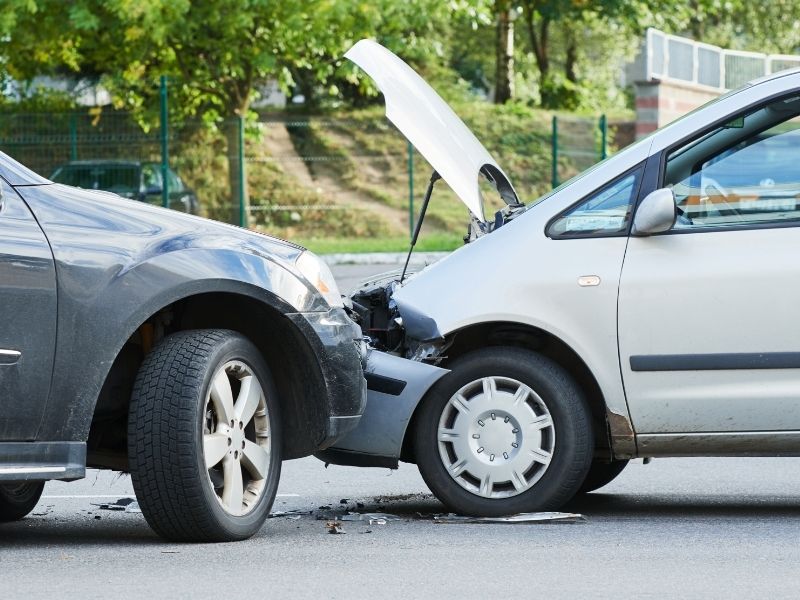
Many residents asking who pays medical bills drunk driving crash Kansas City discover that the at-fault motorist’s liability coverage serves as the primary source of financial recovery, followed closely by secondary uninsured policies.
The approachable team at Aramjoo Law Firm knows exactly how paralyzing these hospital statements can feel while you are trying to physically heal. Our local professionals focus entirely on analyzing these overlapping policies and protecting your legal rights against undervalued settlement offers. We focus on you, allowing you to focus completely on your recovery. Please note that past case outcomes do not guarantee future results.
How Does The Insurance Coverage Order Generally Work After A Collision?
What is the standard sequence for covering emergency room bills?
Generally, the primary source for paying medical bills after a crash is the at-fault driver’s liability insurance. If their limits are insufficient, your own uninsured or underinsured motorist policies activate next. Finally, your private health insurance or out-of-pocket funds cover any remaining balances.
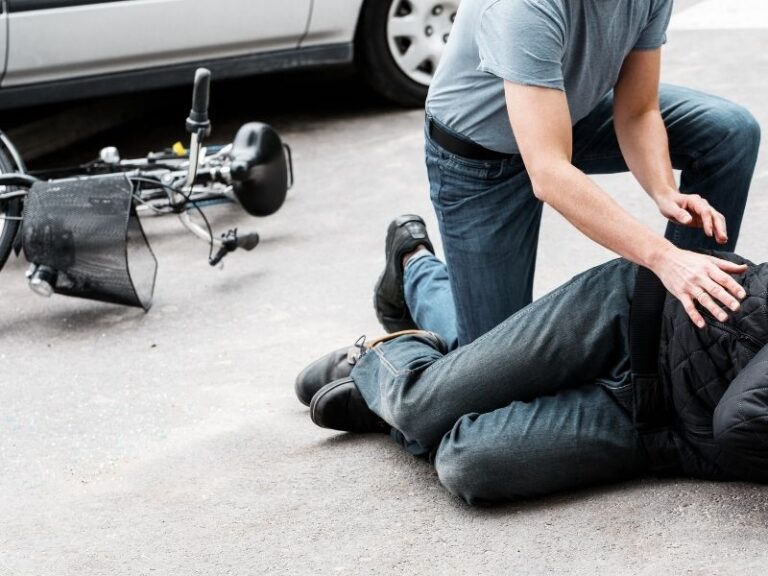
Picture the chaotic moments right after a collision: paramedics are rushing you to the emergency room, and the financial anxiety immediately sets in. Because medical providers expect prompt payment regardless of pending legal liability, understanding this sequence prevents your accounts from unexpectedly falling into collections. The billing department rarely waits.
Establishing this baseline insurance hierarchy allows your legal team to systematically pursue every available dollar of compensation from the responsible parties. Insurance adjusters often try to undervalue claims during this vulnerable initial phase, making it essential to secure professional guidance early. Professional oversight keeps the process fair.
| Coverage Type | Priority Level | Description |
| Bodily Injury Liability | Primary | At-fault driver’s insurance covering your immediate medical bills. |
| UM / UIM Coverage | Secondary | Your own policy steps in if the at-fault driver lacks sufficient limits. |
| MedPay / PIP | Supplemental | First-party coverage paying out regardless of who caused the collision. |
| Health Insurance | Tertiary | Private health plans cover remaining costs but require subrogation reimbursement. |
When Does Bodily Injury Liability Cover Your Hospital Costs?
How does bodily injury liability differ from other policy types?
Bodily injury liability is a third-party insurance coverage designed to pay for the medical expenses and lost wages of victims when the policyholder causes a crash. Unlike first-party policies that pay regardless of fault, this specific coverage only applies when the other driver is proven legally negligent.
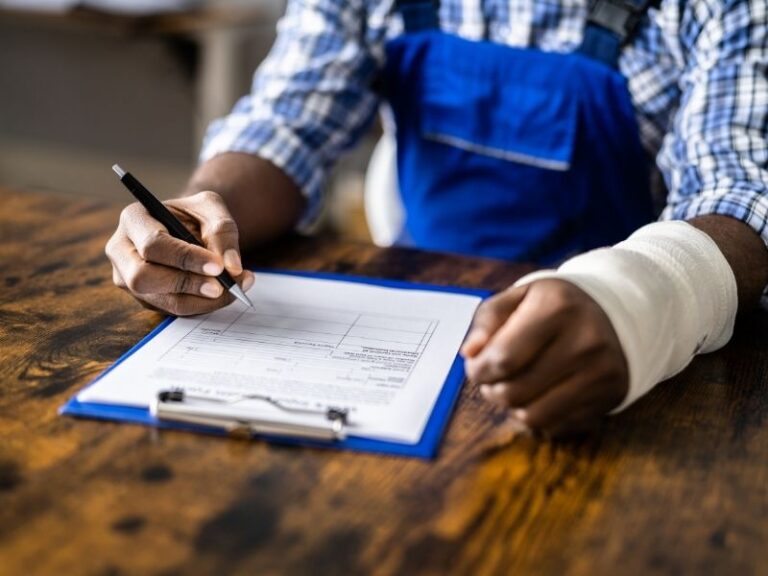
Let us break down how this coverage applies: you must demonstrate that the intoxicated motorist breached their duty of care on the road, directly causing your physical injuries. Proving negligence is generally straightforward in impaired driving cases due to police reports, but maximizing the financial payout from these specific policies requires meticulous documentation of your medical journey. Detailed medical records are absolute necessities.
Understanding the differences between Bodily injury liability vs MedPay coverage is a foundational step when building Kansas City drunk driving accident claims. First-party policies cover your immediate emergency room bills without requiring a lengthy liability investigation, while the third-party limits dictate your overall settlement ceiling. This primary distinction shapes your entire recovery strategy.
Why Might You Need UM UIM Policy Activation?
What happens if the intoxicated motorist is completely uninsured?
If the intoxicated driver lacks insurance or carries insufficient limits, your UM UIM policy activation becomes the primary avenue for financial recovery. Uninsured and underinsured motorist coverage steps into the shoes of the at-fault driver, allowing you to seek medical compensation directly from your own insurance provider.
Here is the reality of the situation: many individuals who choose to dangerously drive while intoxicated also fail to maintain active, legally required auto insurance policies. According to the Missouri Department of Transportation’s impaired driving data, alcohol-involved crashes frequently result in severe, expensive injuries that quickly exhaust a negligent driver’s minimum state-mandated coverage limits. These minimum limits are rarely enough.
Under state law, as outlined in RSMo § 379.203, insurance companies are generally required to provide uninsured motorist coverage within all standard auto liability policies issued in Missouri. Initiating a first-party claim against your own provider does not mean they will automatically hand over a check, as their adjusters will still evaluate the physical damages strictly. They fiercely protect their own bottom line.
Can A Local Bar Be Held Financially Responsible For The Intoxicated Driver?
What are Missouri’s specific dram shop laws for drunk driving cases?
Under Missouri’s dram shop law, you can generally hold a licensed alcohol vendor liable if they knowingly served intoxicating liquor to a visibly intoxicated person who then caused a crash. This statute creates an additional avenue for compensation completely separate from the driver’s personal auto insurance.
Looking beyond the driver’s steering wheel is an essential step when investigating the root cause of a catastrophic collision involving heavy impairment. According to the state’s strict liability codes in RSMo § 537.053, holding a bar or restaurant financially accountable requires proving they continued serving a patron who exhibited uncoordinated physical dysfunction. Proving this requires concrete video evidence.
Securing surveillance footage and credit card receipts from the drinking establishment must happen rapidly before the business automatically deletes their internal security records. Pursuing a third-party liability claim against a vendor alongside the standard auto liability case can significantly increase the pool of available funds for your long-term medical care. Thorough investigations uncover these hidden avenues.
How Does Health Insurance Subrogation Impact Your Final Settlement?
Will my private health care provider demand repayment from my settlement?
Yes, if your private health insurance pays your immediate medical bills after a crash, they will generally place a subrogation lien on your final settlement. Health insurance subrogation ensures your medical provider is legally reimbursed from the third-party funds you recover from the at-fault driver.
Many accident victims rely heavily on their standard health insurance networks to cover emergency surgeries and physical therapy while waiting for their legal claim to resolve in the background. Once the at-fault driver’s liability policy officially pays out, your health insurer has a legal right to request repayment for the exact medical amounts they covered. This reimbursement process balances the financial scales.
Managing these overlapping medical liens requires careful negotiation to ensure that reimbursing your health insurance does not entirely consume your injury settlement funds. A dedicated legal advocate can frequently negotiate these subrogation demands down, leaving substantially more compensation in your pocket for future care. Every single dollar saved matters immensely.
At a Glance: Kansas City Drunk Driving Accident Claims
- Primary Coverage: The at-fault driver’s bodily injury coverage generally acts as the first line of financial defense for your hospital bills.
- Backup Protection: Your own uninsured or underinsured motorist policies activate if the drunk driver lacks adequate state-mandated limits.
- Third-Party Liability: Missouri dram shop laws generally allow victims to pursue additional compensation from bars that overserved visibly intoxicated patrons.
- Settlement Deductions: Private healthcare providers typically use subrogation liens to recoup the money they spent on your immediate crash treatments.
What Should A Kansas City Driver Do Immediately After An Impaired Motorist Collision?
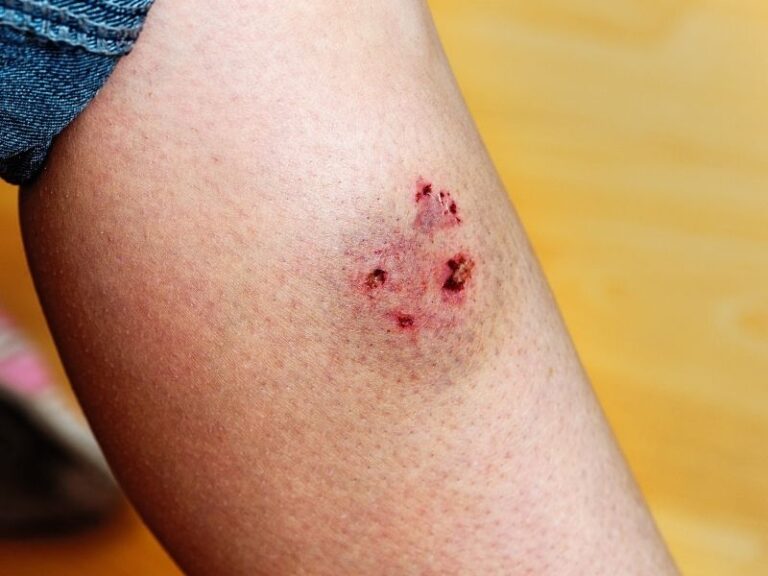
Taking immediate action at the crash scene and during the days following the collision heavily dictates the trajectory of your financial recovery. You must prioritize your physical well-being by attending all recommended medical follow-ups, as gaps in treatment allow insurance adjusters to falsely claim your injuries have magically healed. Documenting everything protects you.
Navigating the recovery process after a Kansas City drunk driving accident is easier with a knowledgeable advocate by your side. Contact Aramjoo Law Firm at (816)326-2968 or via our contact page to discuss your situation in a confidential, no-obligation consultation.
Frequently Asked Questions: Who pays medical bills drunk driving crash Kansas City?
How long do I generally have to file a claim after a drunk driving crash?
In Missouri, you generally have five years from the date of your injury to file a standard personal injury lawsuit against the impaired driver. Taking immediate steps to consult with a professional increases your likelihood of preserving important video evidence and witness statements for your case.
Will my own PIP MedPay coverage pay if the other driver was intoxicated?
Yes, first-party policies like MedPay act as supplemental coverage that pays your immediate medical bills regardless of who caused the collision. These funds generally activate right away, covering emergency room copays and deductibles while you wait for the at-fault driver’s insurance to process the broader liability claim.
What happens to my medical compensation if I was partially at fault for the crash?
Because the state operates under a pure comparative fault system (RSMo § 537.765), you can generally still recover compensation even if you were partially to blame for the collision. Your final financial award is simply reduced by your percentage of fault, meaning a shared mistake does not bar you from seeking justice.