
Navigating Commuter Traffic Challenges: Motorcycle Lane Splitting Accidents in Kansas City
Assessing liability after motorcycle lane splitting accidents in Kansas City requires an immediate understanding of how Missouri traffic statutes dictate your financial recovery. The legal stakes are immense.
Our approachable team at Aramjoo Law Firm understands exactly how disorienting the aftermath of a major highway collision can be for injured riders. We are here to help.
Why Do KCMO Highway Grid Systems Create Complex Risks For Commuting Riders?
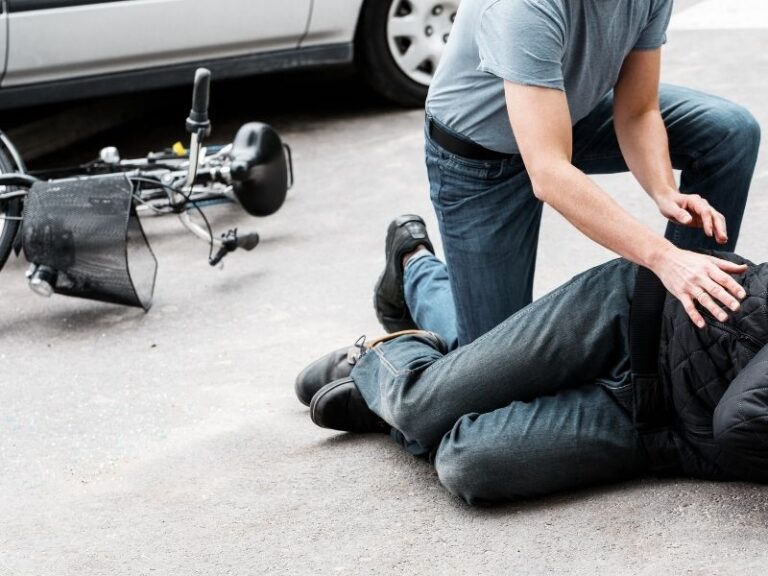
Visualize this specific commuter scenario: heavy traffic forces passenger vehicles into sudden stops across multiple lanes, creating hazardous pinch points for riders navigating the severe congestion. Congested roads demand heightened awareness.
The intricate layout of KCMO highway grid systems frequently forces motorcyclists into confined spaces where maneuvering safely becomes incredibly difficult during peak travel hours. Drivers rarely check their blind spots.
What is the legal difference between lane splitting and lane filtering in Missouri?
In Missouri, lane splitting involves riding a motorcycle between rows of stopped or moving vehicles in the same lane, while lane filtering typically refers to maneuvering through stationary traffic at intersections. Neither practice is explicitly authorized by Missouri statute, meaning riders often face citations for improper lane usage.
Let us break this legal standard down simply: insurance companies often use these vague statutory definitions to automatically assign blame to the injured motorcyclist. Your legal rights require active protection.
How Does The Jackson County Court View Shared Blame In Lane Splitting Crashes?
Here is the harsh legal reality: judges and juries often harbor inherent biases against motorcyclists who choose to maneuver between lanes during heavy traffic conditions. The courtroom presents unique challenges.
When a disputed case enters a Jackson County court, the defense will typically argue that the rider violated Missouri’s highway lane usage rules by failing to remain entirely within a single marked traffic lane. This tactical argument shifts liability.
How does pure comparative fault apply to a lane splitting crash?
Missouri applies a pure comparative fault standard, meaning you can still recover financial damages even if a court determines you were partially responsible for the crash. Your final financial compensation is generally reduced by your specific percentage of fault assigned during the formal legal proceedings.
Discussing your unique situation with a knowledgeable professional is a highly effective way to understand the specific legal nuances of a KC motorcycle lane splitting crash. Professional guidance offers essential clarity.
At a Glance: The Motorcycle Lane Splitting Rundown
- KCMO highway grid systems create hazardous bottleneck pinch points that frequently force vulnerable riders into dangerous proximity with distracted passenger vehicle drivers.
- Jackson County court interpretations generally require injured riders to proactively overcome inherent defense biases regarding state-mandated improper lane usage statutes.
- Localized safety data from official state agencies provides crucial contextual evidence that heavily strengthens your injury claim against negligent motorists.
- Properly neutralizing insurance adjuster bias requires presenting objective digital evidence that directly challenges their generalized stereotypes about aggressive riding behaviors.
What Impact Do Localized Crash Statistics Have On Your Personal Injury Claim?
Consider this statistical truth: presenting localized data helps paint a clear picture of exactly how dangerous specific highway corridors are for vulnerable commuters. Objective evidence changes the entire narrative.
Reviewing the deeply specific Show-Me Zero motorcycle safety data provided by the Missouri Department of Transportation can help contextualize your specific accident within broader local crash trends. Contextual data strengthens your position.
Using official government reports to demonstrate the high frequency of rear-end collisions in congested traffic effectively counters the assumption that the rider acted recklessly. You must control the factual narrative.
Can localized data prove that a specific highway intersection is inherently dangerous?
Yes, utilizing official government crash reports helps establish a documented history of severe accidents at specific highway intersections or grid bottlenecks. This objective data prevents opposing counsel from framing the collision as an isolated incident solely caused by the motorcyclist’s decision to actively split lanes.
What Steps Help In Neutralizing Insurance Adjuster Bias Effectively?
Think of the negotiation process this way: insurance representatives generally attempt to protect their corporate bottom line by undervaluing legitimate injury claims based on predetermined risk assessments. Their initial settlement offers are typically inadequate.
By properly gathering localized evidence from the crash scene, you can begin neutralizing insurance adjuster bias and force the opposing party to evaluate the actual factual record. Objective evidence is incredibly powerful.
Presenting a thoroughly documented demand letter that clearly outlines the other driver’s specific negligence prevents the adjuster from relying on generalized anti-motorcycle stereotypes. Comprehensive preparation dictates the final outcome.
Why might an insurance adjuster undervalue a motorcycle injury claim?
Adjusters frequently undervalue these specific claims by relying on generalized stereotypes that automatically portray motorcyclists as reckless or inherently dangerous commuters. Presenting objective evidence and organized legal arguments helps overcome this inherent professional bias and forces a fair evaluation of your actual physical damages.
How Does Missouri’s Joint And Several Liability Rule Impact Multi-Vehicle Highway Pileups?
Consider the mechanics of rush hour: commercial trucks and passenger vehicles frequently collide in massive chain reactions that trap splitting motorcyclists between layers of crushing steel. Complex pileups require extensive legal investigation.
Under Missouri law, if one negligent driver is found to be predominantly at fault for the pileup, they can potentially be held responsible for your entire damages. Identifying the primary aggressor is critical.
Having a dedicated advocate untangle the messy web of shared liability ensures that massive commercial trucking companies cannot unfairly pass the blame onto the injured rider. Strategic representation secures fair compensation.
Does joint and several liability apply if I was lane filtering during a multi-car crash?
Yes, if multiple drivers contributed to a severe highway pileup, Missouri’s joint and several liability rules still apply, even if you were filtering through traffic. However, your total financial recovery will still be proportionally reduced by any percentage of comparative fault assigned to your specific riding maneuvers.
How Should An Injured Rider Proceed Following A Lane Splitting Collision On A KCMO Highway?
Taking immediate steps to thoroughly document the chaotic accident scene and seek prompt medical attention will significantly improve the overall strength of your financial recovery claim. Delaying action actively harms your case.
Gathering accurate witness statements and preserving official police reports will help your legal team construct a compelling narrative that challenges preconceived notions about riders. You must protect your legal rights.
Finding peace of mind after a Kansas City motorcycle accident starts with having the right legal guidance from the attorneys at Aramjoo Law Firm who are ready to offer clear, actionable advice. Call (816)326-2968 for a confidential consultation today.
Frequently Asked Questions Regarding Motorcycle Lane Splitting Accidents in Kansas City
Can I still recover damages if I was speeding while splitting lanes?
Under Missouri’s pure comparative fault regulations, a rider who was speeding is not automatically barred from seeking financial compensation. Your shared blame simply reduces your total recovery amount by your specific percentage of fault, meaning you can still successfully pursue an injury claim against a negligent driver.
How long do I generally have to file a claim after a crash?
Injured victims generally have five years from the exact date of their highway collision to file a personal injury lawsuit under Missouri law. Taking immediate action to document your injuries and gather evidence significantly improves your ability to secure a favorable financial outcome before vital records disappear.
Are drivers always at fault if they merge into a splitting motorcyclist?
Drivers are not automatically assumed to be entirely at fault, as liability requires a thorough investigation into whether the driver failed to check their blind spots or signal properly. Evaluating the specific details of the collision helps determine the exact distribution of shared blame between both involved parties.